
Universal Apostles Fellowship Church of Righteousness (UAFCR), widely known as the “Church of Noah,” is a prominent indigenous religious movement in Uganda. Its theological identity is defined by a radical emphasis on self-reliance, moral absolute “righteousness,” and a close relationship with national identity.
Historical Formation and Key Figures
- Foundation (1963): The church was established at Kirama village in Kaliro District (Busoga region). It was born out of a desire for an “indigenous gospel” that was not dependent on foreign missions or colonial structures.
- Prophet Noah Kalange: The primary founder who led the movement from 1963 until his death in the late 1990s. He is revered for initiating the church’s core mission of spreading “the gospel of righteousness”.
- Reverend Micros Mafabi: A co-founder who served as the church’s steward after Kalange’s death. In 2020, he famously attempted to reclaim administrative control, citing concerns over leadership style.
- Prophet David Isanga (Nabbi Daudi): The current “Supreme Spiritual Head.” Under his leadership, the church has grown to over 2,000 branches across Uganda and neighboring countries. He is known for his “Patriotic Youth Mega Crusades” and strong public support for the Ugandan government.
Theology and Doctrine
The UAFCR’s theology is centered on a binary worldview and strict behavioral standards:
- The Two Religions: UAFCR teaches that only two religions exist: the “Religion of Sin” (under Satan) and the “Religion of Righteousness” (under God). They believe that simply attending a traditional church does not make one a child of God if sin persists in their life.
- Righteousness as Commandment: The church’s central theme is drawn from 2 Timothy 2:15: “Do your best to win full approval in God’s sight”. This is interpreted as a call to total moral purity, including abstinence from alcohol, theft, adultery, and “immorality”. The individual member must therefore work hard to ensure that they are walking in righteousness.
- The “Hope of Africa”: There is a strong undercurrent of black empowerment and African exceptionalism. Some followers view Nabbi Daudi as a uniquely appointed prophet for the African continent in this century.
- Financial Autonomy: The church maintains a strict policy of rejecting all foreign financial assistance. They believe dependency on Western donors leads to “doctrinal compromise,” particularly regarding issues like LGBTQ rights (added in the recent years since the current wave of gay rights and activism began).
Practices and Discipline
- Church Courts and Discipline: The UAFCR utilizes “Church Courts” and internal disciplinary measures to maintain order among its members, sometimes involving public rebukes, flogging, or counseling to address “sinful” behavior and bring correction.
- Economic Self-Reliance: Members are encouraged to engage in agriculture and small-scale industries. This “work-as-worship” ethic is intended to make the community financially independent and “productive for God”.
- Patriotic Crusades: Their large-scale gatherings often blend religious revival with themes of national patriotism, frequently hosting government leaders and emphasizing social stability.
Differences with Mainstream/Orthodox Christianity
The UAFCR distinguishes itself from traditional Ugandan denominations (like the Anglican Church of Uganda or the Catholic Church or the evangelicals Baptist, Methodist, Reformed, Pentecostal) through its institutional and theological isolation:
| Feature | UAFCR (“Church of Noah”) | Mainstream/Orthodox Christianity |
|---|---|---|
| Institutional Affiliation | Strictly independent; no affiliation with local or foreign councils. | Often part of the Uganda Joint Christian Council or global bodies like the WCC, WEA, Baptists. |
| Source of Authority | Direct revelation through a single “Supreme Prophet” (Nabbi Daudi). | Scriptural authority mediated through historic creeds, traditions, and collective councils. |
| Funding Model | Total self-reliance; rejection of foreign aid. | Often rely on partnerships and grants for social services/development. |
| Political Identity | Explicitly “Religiopolitical,” openly endorsing the NRM and national leadership as a spiritual stance. | Typically maintains a formal separation between church administration and partisan politics. |
Recommedation
In view of the above, mainstream evangelical and orthodox churches in Uganda should view partnership with the Universal Apostles Fellowship Church of Righteousness (UAFCR), also known as the Church of Noah, as a risk to doctrinal integrity. While UAFCR describes itself as an “indigenous evangelical church,” its specific theological claims and leadership structure often align more with what mainstream theologians categorize as a cult or heterodox movement rather than traditional Christianity.
Why Partnership is Discouraged for Conservative Churches
For a conservative or evangelical church, entering a partnership with UAFCR would likely be a bad idea for the following doctrinal and practical reasons:
- Exclusivism & “The Only Way” Theology: UAFCR followers frequently claim their church is the “only church that preaches righteousness” or the “only church that takes people to heaven”. This contradicts the orthodox/evangelical belief in the “invisible church”—the idea that salvation is available to all who have faith in Christ, regardless of their specific denomination.
- Centrality of a Single Living “Prophet”: The church is led by Fred Isanga (Prophet Daudi), who is positioned as the primary “Teacher of Righteousness” for the whole world. Conservative churches typically adhere to Sola Scriptura (Scripture alone), viewing any leader who claims exclusive, modern-day prophetic authority over all other believers as a “false prophet”.
- Righteousness through Works vs. Grace: While UAFCR emphasizes a “gospel of righteousness” to liberate people from sin, mainstream evangelicals believe salvation is a gift of grace through faith alone, not earned through personal righteousness or adherence to a specific leader’s moral code.
- Family & Social Practices: There are reports and criticisms from former members and observers regarding the separation of families and strict, sometimes “unrealistic” church practices (such as specific grooming or lifestyle mandates) enforced by leadership. These practices often conflict with the evangelical emphasis on the sanctity of the family unit.
- Legal & Ethical Controversies: UAFCR has faced allegations of human rights violations, including claims of torture or physical punishment for members who oppose leadership. It has also been involved in legal disputes regarding its registration as an NGO versus a church, which can pose a reputational risk to partner organizations.
Distinctions from Mainstream “Orthodoxy”
It is important to note that despite the name “Universal Apostles,” the Church of Noah has no affiliation with the canonical Eastern Orthodox Church (Patriarchate of Alexandria), which is the recognized orthodox body in Uganda. Mainstream Orthodox Christians view such groups as “heretical” because they deviate from ancient apostolic tradition and create their own “delusions” of salvation.
Sources
- New Vision (9th Sept 2024) – Analysis of the church’s political ties and 2024 crusades.
- Uganda Radio Network (17th June 2020) – Historical context and leadership disputes.
- UAFCR Media Official YouTube Channel – Official statement of church origins and core pillars.
- Watchdog Uganda (10th Sept 2024) – Documentation of Prophet David Isanga’s public teachings.
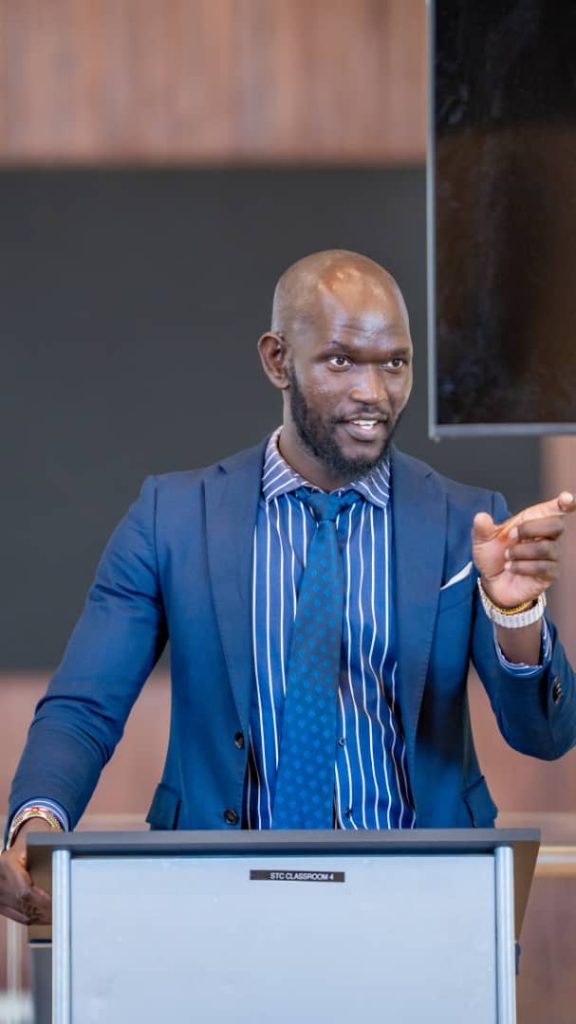
JACOB KASULE
6 replies on “UNDERSTANDING THE CHURCH OF NOAH (UAFCR): A summary survey on their history & doctrinal practices”
I think the best way to manage these cult guys is to have one on one as you compare their doctrine with scriptural truth.
Yes, one on one discussion is usually the best at dealing with these things.
Thanks
You are welcome Simon.
One on one with who? the leaders or believers, leaders have no time to debate but believers I usually find the but they don’t know more about the bible other than their prophet, I think we need to pray for the inoccent people who was desived by UAFCR for the light of the gospel be enlightened and see the truth
That is true, their leaders don’t want to discuss the Bible, their members don’t know the bible. We should ensure we are teaching the truth wherever and whenever we get the opportunity.
That way, we might just get them. Jude said we should snatch them from the fire.